
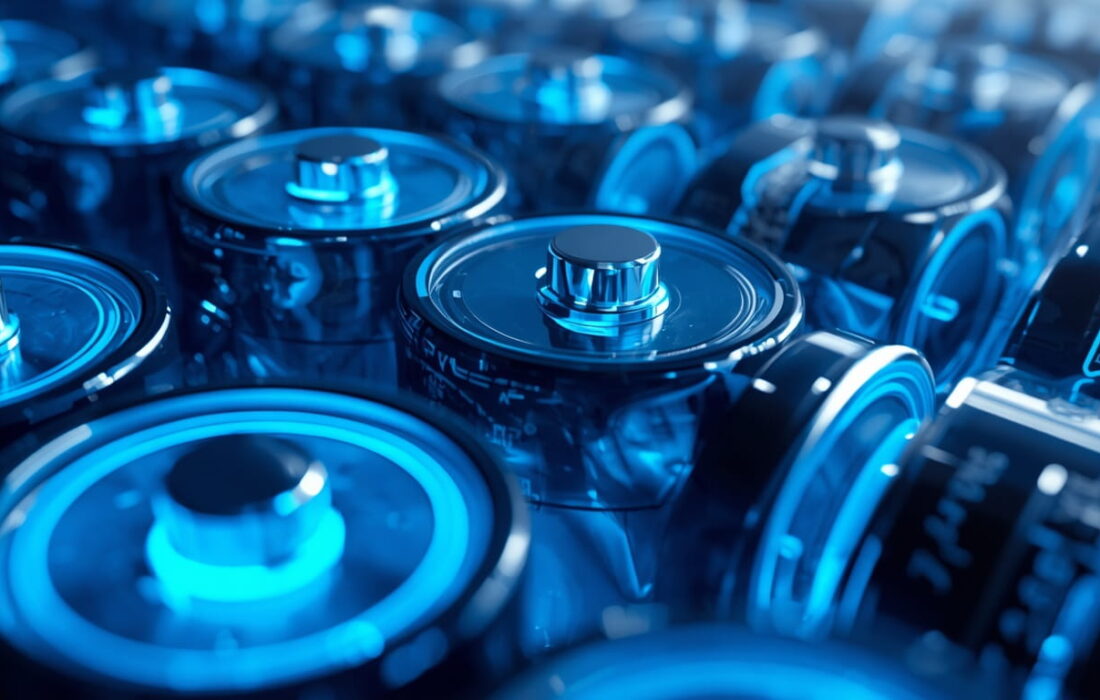
A major breakthrough in battery technology is the focal point of interest for a whole range of industries in the fast-changing world of technology. The sodium-ion battery is a potential alternative to the conventional lithium-ion battery, which could provide a more sustainable and cost-effective energy solution. The advancement is timely as the need for effective power storage solutions is rapidly growing, particularly with the rise of EV adoption and integration with renewable energy sources worldwide.
However, scientists and engineers have been tirelessly trying to find ways to defeat the shortcomings of traditional batteries, and they are looking for materials that are widely available that will create less of a dependence on limited resources. One of the most abundant elements in the earth is sodium, which makes it cost effective to use as a foundation.
Sodium is more readily available than lithium, as it can be extracted from seawater or common salt, and is produced with less intensive mining processes that are not linked to environmental risks. Early prototypes have shown state-of-the-art energy density, but recent advances have brought the energy density of these batteries near the lithium-ion levels while improving safety and durability.
“The key advance here is the development of improved cathode materials and electrolyte compositions that can be rapidly charged and maintain high cycle life, which will change the outlook for widespread use.”
These enhancements enable sodium-ion cells to maintain their performance through thousands of charge-discharge cycles with very little degradation, which is crucial for applications such as grid storage, where reliability is essential. Envision gigantic fields of solar and wind power generation with efficient battery storage facilities that discharge the electricity when it is most needed, but do not suffer from the same volatility as more traditional energy sources.
Automotive companies are looking to upstage into electric transportation, where the prices are cheaper and this could make EVs more accessible to any consumer who drives a car. The normal sodium-ion pack will cut down on the manufacturing expenses of the vehicle by as much as 30 per cent, which could help speed up the shift from fossil fuels.
From a technical standpoint, the new structures in the cathode are made up of layered oxide that allows for more gradual ion flow. This provides improved thermal stability which minimizes the potential for overheating or fires that are often a problem in heavy-duty applications. Extreme conditions testing has demonstrated excellent durability, ranging from low temperatures to high. Moreover, the batteries are compatible with quick charging, in some cases in less than 15 minutes for 80% charge, alleviating another key concern in EV adoption.
The implications are not only mobility, they are also in relation to consumer electronics and industrial machinery. Heavier equipment with more demanding or longer usage might require lighter, more cost-effective power options, while portable devices could find heavier, more expensive power supplies less desirable. The benefits to the environment are also significant because the recycling of the sodium-based components is simpler, and requires less energy. These batteries could be a key element in reaching global net-zero emissions goals through scaling up production.
There are challenges ahead, such as the need for more compact applications, with higher energy density, but steady progress is being made. The movement of the collaboration between academic and industrial worlds is speeding up commercialization, and pilot projects are underway at various regions. The production ramp-up should lead to more stable supply chains, prices will likely continue to drop, and innovation will emerge in complementary technologies such as advanced battery management systems.
This specific tech news is indicative of a bigger change towards resourceful engineering which emphasizes sustainability with no compromise to performance. The impact on urban planning, with smarter energy grids, to the global economy, which depends on cleaner transport, is far-reaching.
The shift of these batteries from lab to reality is a testament to their potential, and they are being closely monitored by enthusiasts and experts alike, ushering in a more electric and green future. As investments continue, sodium-ion technology could shape the future of energy storage, propelling high-performance storage to become a common reality.