
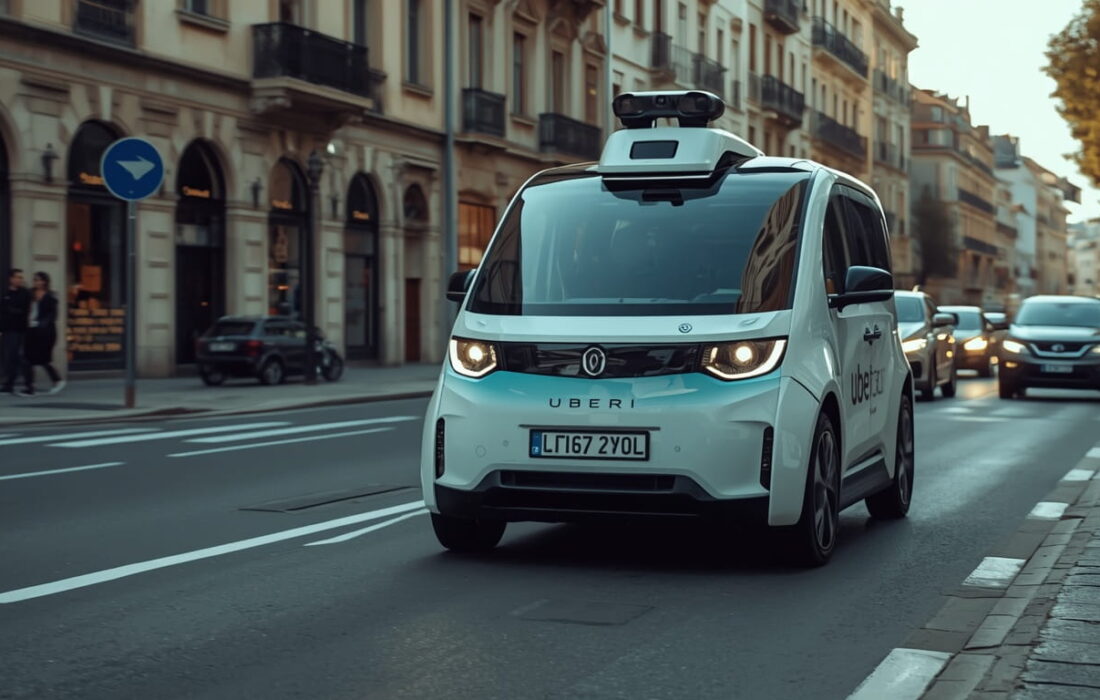
The self-driving car seemed like a promise for tomorrow for a few years now: 5 years away, in regulatory fog. Yet in the summer of 2026, it’s quietly become a reality – and it’s happening much quicker than most European commuters have anticipated.
The taxi meter has been upstaged by what could be one of the biggest changes in urban mobility since Uber’s invention. The ride-hailing giant has made more than one robotaxi announcement for European cities, with each one suggesting that autonomous mobility is nothing new from Silicon Valley; it’s a product launch.
Munich Is Set to Get a Facelift for Drivers
The most technically interesting is from Germany. Uber has announced a collaboration with Israeli autonomous driving startup Autobrains to introduce a robotaxi programme in Munich. It is powered by NVIDIA’s DRIVE Hyperion platform, which is specifically engineered to enable fully autonomous driving (Level 4) on the road from the start.
Not any Munich was selected. As a symbol, Autohaus is of major importance in Germany. Driverless taxis are in the city after all that built its reputation on precision, built on the internal combustion engine. It’s awaiting regulatory clearance, and public road testing has begun.
This method is also “light on the claims”. The programme is not aimed at developing custom-built robotaxi cars but will be based on existing car platforms. Simply put, it’s about scalability; if you get the software right, it can fit into virtually any vehicle.
Express Ideas and Concepts with Purpose
Munich is not the only city entering this autonomous orbit. A new deal with autonomous driving company Pony.ai has made Zagreb an additional player, as public road testing is already underway ahead of the commercial introduction of autonomous driving. WeRide is partnering with the Madrid regional government to deploy robo-taxis on Madrid’s roads later this year, while in Japan, the global firm is partnering with Tokyo Metro to deploy its own robo-taxis on the city’s streets later this year.
All of this results not only in a succession of pilot programmes but also in a deliberate European network strategy. It’s a model run after model run. One regulatory approval after another paves the way for the subsequent one.
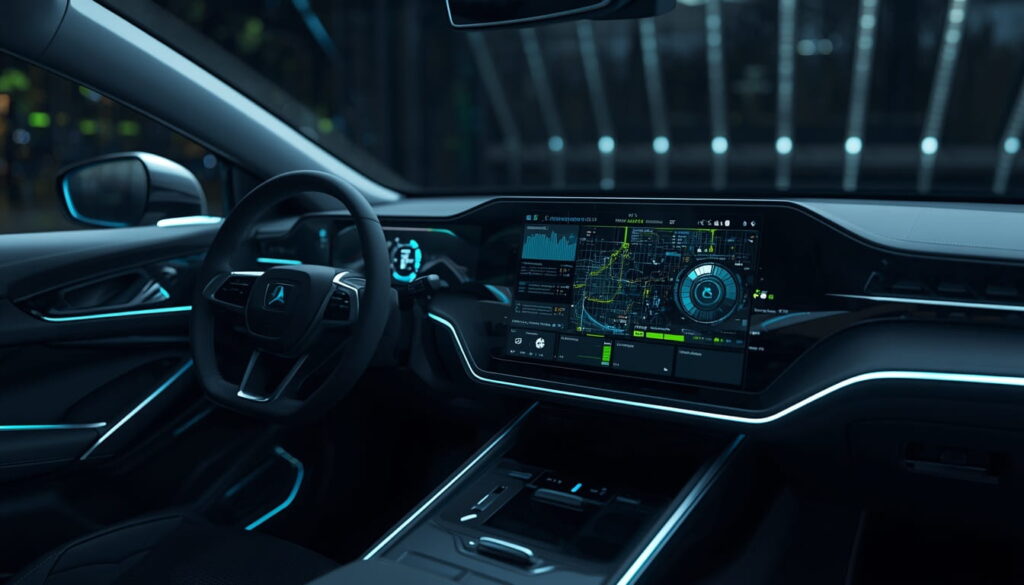
It’s a Lot More Than Just a Car
Europe’s robotaxi race has attracted a host of more than Uber. In the UK and Germany, Lyft is bringing its ride-hail service following its acquisition of FreeNow, Europe’s ride-hail company, and is collaborating with Chinese autonomous vehicle maker Baidu. Google-backed self-driving car startup Waymo is also looking to enter the European market, having driven more than 100 million autonomous miles worldwide.
Money, competition, and the fact that whoever first seizes the European autonomous mobility market will find it very hard to beat are what are fueling all of this.
What Is Expected of Riders?
The immediate time will most likely be when passengers will be seated with safety operators inside the vehicle. When data accumulates, and regulators become accustomed and comfortable, full driverless operation with no one in the front seat at all will follow.
Nowadays, the days of calling a car without a driver are over. This is a calendar date.