
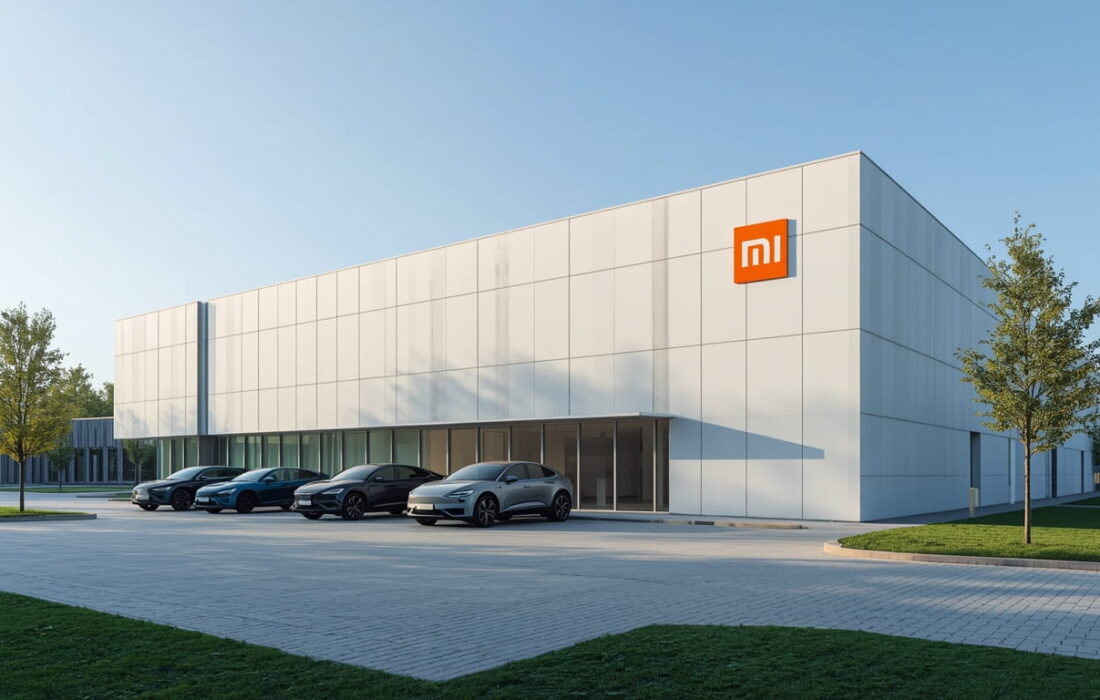
Chinese tech giant Xiaomi is making major strides in the European automotive market by establishing a dedicated electric-vehicle research and development centre in Munich, Germany. As part of its global expansion plan, the new facility is a testament to the company’s commitment to adapting its vehicles to European preferences, standards, and demands before entering the market in 2027.
The step is part of Xiaomi’s ongoing efforts to capitalise on the success of its previous EV models in China, which have been well-received and are now emerging as a serious contender in the fast-growing premium high-performance EV market.
Munich Center Strategic Focus
The Xiaomi EV Europe Research and Development and Design Center will focus on several areas in one of the best automotive R&D hubs in Europe. These include the development of performance vehicles, advanced electric-vehicle technologies, design innovation to meet European demands, and customer-centric research.
The centre already boasts a skilled group of engineers and designers with extensive experience from the top German and Italian carmakers. Top performers of the past who have been associated with iconic and luxury cars are now participating in vehicle dynamics, chassis engineering and high-performance tuning. First findings from this collaboration will inform future models, introducing improved variants for European markets, which have higher demands for driving dynamics and premium features.
With its Munich base, Xiaomi has direct access to top talent and close proximity to established supply chains and testing facilities vital to meeting Europe’s high safety, emissions, and quality standards.
Broader Expansion Plans
Xiaomi’s European push is part of its grand plan to connect its hugely popular line of consumer electronics with smart cars, under the banner of “Human x Car x Home”. The firm has shown outstanding growth in China, where its sporty sedan and SUVs feature cutting-edge battery technology, intelligent software, and competitive pricing.
Adaptation will be very important in Europe. The Munich team is continuing to optimise the software interfaces, driver-assistance systems, and interior ergonomics to meet local expectations. Compliance with regulations, especially regarding data privacy, cybersecurity, and sustainability under EU law, is a key focus.
It’s a strategic move to address common concerns among new Chinese competitors, such as quality and durability, industry analysts say. Local engineering input will help to establish credibility and appeal to discerning European buyers.
Market Context and Competitive Landscape
If you’re in Europe, you’ll be particularly pleased to see that Xiaomi’s growth is going hand in hand with the rising trend of e-mobility. The market is ripe for disruptors amid increasingly stringent emissions standards and growing demand for low-cost, high-quality EVs. Xiaomi is looking at technology integration to stand out and leverage its strengths in artificial intelligence, connectivity, and smart products.
However, challenges persist. The adoption rate may be affected by European tariffs on Chinese EVs, brand loyalty to established manufacturers, and infrastructure. Xiaomi’s “Made in China, Engineered in Germany” approach aims to overcome cultural and technical barriers, ensuring that their vehicles are optimised for European driving conditions.
Possible Effects on Industry
If the European market proves successful, it will drive further competition in the EV space, forcing traditional automakers to continue ramping up their innovation in software and intelligent features. The new centre is a booster to the supply of jobs and investment opportunities in the region, for suppliers and local talent.
Xiaomi’s strategy could encourage other Chinese manufacturers to invest a similar amount in developing products for the local market rather than for exports, observers say. This might foster more advanced technology transfers and joint ventures in Europe’s auto industry.
The first prototypes and features for the centre can be expected in the coming years, in keeping with the centre’s growing activities, which are specific to Europe. Some initial input from track testing and consumer clinics will be used to refine prior to the formal launch.
Conclusion
With the launch of a large R&D centre in Munich, Xiaomi is taking a significant step toward becoming a player in the automotive industry. The company is building a product line that is Chinese-sized and German-precise for European customers.
The launch will not only mark a step toward Xiaomi’s ambitions but also a trend toward the global EV industry of cross-border partnerships and localisation. With the rollout underway, the automotive industry will be closely watching to see how successfully Xiaomi brings its vision to life in the form of a car that will resonate on European roads.