
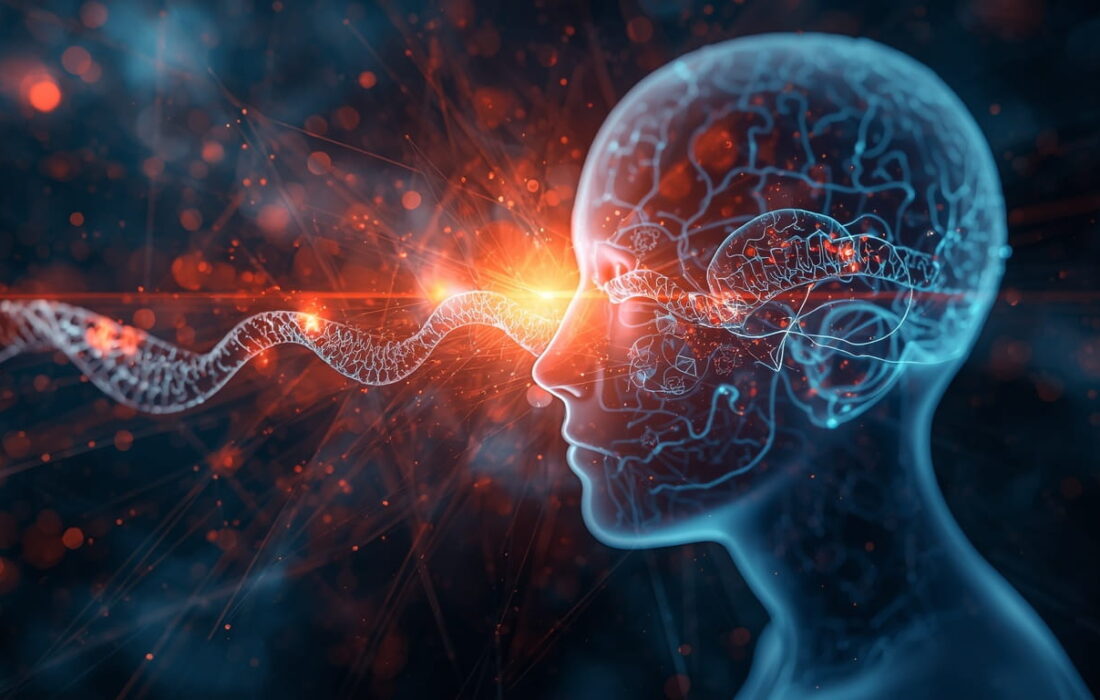
Death is the common denominator to which all human beings have belonged for centuries; it is the one thing they have in common. However, a number of researchers, futurists, and technology experts have concluded that this is changing.
But there is a growing body of researchers, futurists and tech-creatives who say that AI is basically upending that notion. The front-line researchers in longevity science say that AI breakthroughs in studying biology, genetics and medicine may turn human immortality, or even super long life, into a reality in the next 17 years.
This is no science fiction stuff. AI systems are already being used in labs globally to rapidly and comprehensively map the molecular pathways driving ageing, which would take a team of scientists years to complete. Technology that used to take decades to research can now be developed in months, and it’s getting faster and faster.
How AI Is Unlocking the Secrets of Aging
At its core, ageing is a biological process that involves progressive damage to cells, errors in the genetic code, and protein misfolding, leading to the breakdown of the body. These processes have been poorly understood for decades, and even more poorly understood and reversed in computers. That has all changed with AI.
Using patterns learned from billions of data points, modern machine learning models can now recognise patterns in how cells age and die that would not be evident to the human eye. AI is now being employed to uncover novel medicines that target senescent cells, the so-called “zombie cells” that accumulate with age and trigger inflammation throughout the body. Initial research with animals has been spectacular, and some animals have been able to reverse biological signs of ageing.
AI is also making strides in gene editing, which is beyond the scope of this discussion on drug discovery. AI-driven analysis is used to develop tools that can precisely fix mutations at an unprecedented level, such as CRISPR. The combination of AI and gene therapy may soon take the genetics of ageing to a whole new level, as scientists may be able to repair genetic errors that occur throughout our lifetimes, thereby halting the ageing process at the cellular level.
Ambitious but Grounded is the 17 Year Timeline
The fact that immortality could be achieved by 2041 leads to some obvious questions. Where is this timeline from, and how is it believable?
The projection is based on the “longevity escape velocity” concept of some scientists: the point at which medics can extend a person’s life by more than a year for each year that passes. Once that is surpassed, a person alive at that time will be able to live as long as they want, always one step ahead of death, and treatments will get better.
AI advocates say it’s shrinking the research process to reach that point by a huge amount. The standard drug development process, which typically takes 10-15 years for experimental drugs, is being shortened to a tiny fraction of that time, as AI systems can simulate thousands of drug trials without lab-based experimental testing. In fact, there are a number of longevity-focused biotech firms conducting clinical trials of compounds they have discovered using AI to address the underlying hallmarks of ageing.
There is great potential, but some challenges remain to be addressed. Biology is extremely complex, and AI, no matter how powerful, is only as good as the data it’s trained on. However, gaps in scientific knowledge about the human body make it impossible to produce accurate real-world predictions, even with the most advanced AI.
There’s also a challenge posed by the regulatory frameworks. Giving the thumbs-up to medicines and treatments that will not cure a particular disease but will simply slow or reverse the ageing process is new for the FDA and other regulatory authorities. In most regulatory systems, ageing is not considered a disease, which complicates the approval of anti-ageing treatments.
A number of deep ethical and social issues are also raised. Who will be able to be immortalised (or nearly immortalised) once the ability is invented? The potential for a split between the rich and the poor, those who can live forever and those who can’t, is a serious issue that scientists, policymakers and ethicists are already contemplating.
Regardless of whether the 17-year forecast comes true, the scientific community agrees that the pace of longevity research has been greatly accelerated by AI. When you were once unable to find a solution to a particular disease, it is now being conquered by AI analysis. The process of ageing itself is becoming a medical condition, viewed as treatable and manageable, and one that can be overcome.
What we are likely to see over the next 15 years or so is not immortality but rather a cure. But it’s becoming increasingly likely that it will bring something that would have seemed miraculous before the real option of determining the length of life. Artificial Intelligence is ushering in a new era for humanity and is keeping the door open.